 ×
×
When exploring rugged landscapes, from sun-drenched coastal paths to dense forest trails, the interaction between foot and terrain is constant. Outdoor enthusiasts often seek a balance between the airflow of a sandal and the structural security of a hiking shoe. Closed-toe sandals bridge this gap, yet not all designs provide the same level of security. True collision resistance is not merely a design afterthought; it is the result of applying engineering principles to footwear, ensuring that the interface between a foot and an external obstacle is managed effectively.
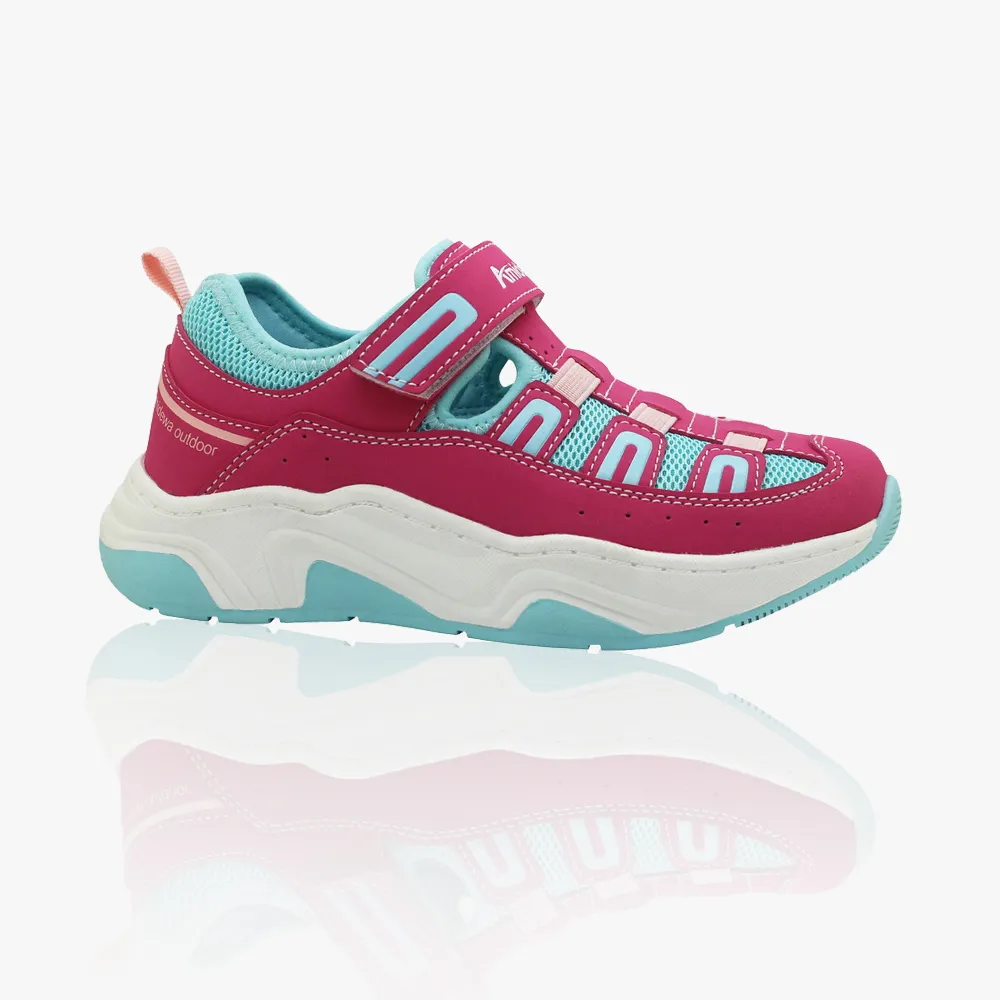
At the core of a well-engineered sandal is the toe bumper, a component that demands careful material selection. Industry leaders utilize high-density thermoplastic polyurethane (TPU) or specialized vulcanized rubber compounds to construct this area. The objective is energy dissipation rather than just simple hardness. When a foot strikes a stationary object, the bumper must absorb the kinetic energy and distribute it away from the sensitive phalanges. By utilizing specific material properties, these bumpers remain flexible during the natural gait cycle while providing the necessary rigidity to neutralize the force of an unexpected collision.
A frequent observation in footwear design is the necessity of internal volume. If a sandal lacks a properly contoured toe box, the toes remain in constant proximity to the protective wall, which can lead to discomfort during long descents. Advanced designs incorporate an anatomically correct toe box that respects natural foot splay. By ensuring a measured clearance between the foot and the bumper, a buffer zone is created. This spatial awareness in design allows for natural movement and prevents the repetitive contact that often occurs on technical terrain, where gravity naturally shifts the foot forward within the shoe.
The overall robustness of a protective sandal is defined by how the protective cap integrates with the midfoot chassis. A reliable connection is essential for long-term performance. Footwear architects typically employ high-pressure, heat-bonded welding techniques that meld the protective TPU overlay directly into the upper materials. This approach minimizes the use of mechanical fasteners that might degrade or catch on obstacles. Through rigorous stress-testing, such as simulated multi-directional shearing assessments, the integrity of these structural bonds is verified. This commitment to precision separates standard footwear from equipment designed to withstand the rigors of sustained outdoor use.
Collision resistance begins long before the foot makes contact with an obstacle; it begins with the foundation of the shoe. An advanced outsole profile is essential for maintaining footing and preventing the stumbles that lead to impacts. By incorporating multi-directional, aggressive lug patterns and a slight rocker geometry at the forefoot, the design promotes a fluid walking motion. This geometry ensures that the foot clears debris efficiently. Furthermore, utilizing rubber compounds with high-coefficient-of-friction properties allows the sole to maintain contact with slick or uneven surfaces, providing the stability necessary to navigate diverse environments with confidence.
The realization of these sophisticated design features requires a manufacturing partner capable of maintaining consistent technical tolerances. Pegasus Footwear Co. operates as a key facility in this domain, leveraging advanced supply chain integration and precision-molded components to ensure that every pair adheres to rigorous safety and structural standards. By overseeing the production lifecycle, from raw material selection to the final vulcanization process, Pegasus Footwear Co. ensures that design concepts are executed with absolute technical fidelity. This approach ensures that structural durability remains a consistent feature for every explorer relying on their equipment in the wild.

Xiamen Pegasus Sandals Limited is a trusted OEM/ODM sandals manufacturer for outdoor hiking sandals, casual sandals & slides. Certified (BSCI/PVH/SLCP), eco-materials, 20+ years serving TOMMY HILFIGER, CK, HUSH PUPPIES. Request quote today.
Unit 406-409, 4/F Peitao Building, Huaxia Industry Center, No.43 Tiyu Road, Siming District, Xiamen, China
Copyright © 2026 by Xiamen Pegasus Sandals Limited Privacy Policy

 EN
EN

