 ×
×
In the fast-paced world of urban and casual footwear, strap sandals serve as the ultimate intersection of minimalist aesthetics and everyday functionality. Yet, the very environments that make these sandals a wardrobe staple—bustling sidewalks, outdoor gatherings, and fluctuating summer weather—also subject them to a constant barrage of contaminants: dust, oils, environmental grime, and accidental spills. Maintaining a pristine look often feels like an unending battle. However, the integration of advanced, stain-resistant surface treatments has fundamentally shifted the paradigm. By applying high-performance protective barriers at the molecular level, footwear engineering has moved beyond the cosmetic, ensuring that high-quality strap sandals remain durable, visually crisp, and structurally sound with minimal effort.
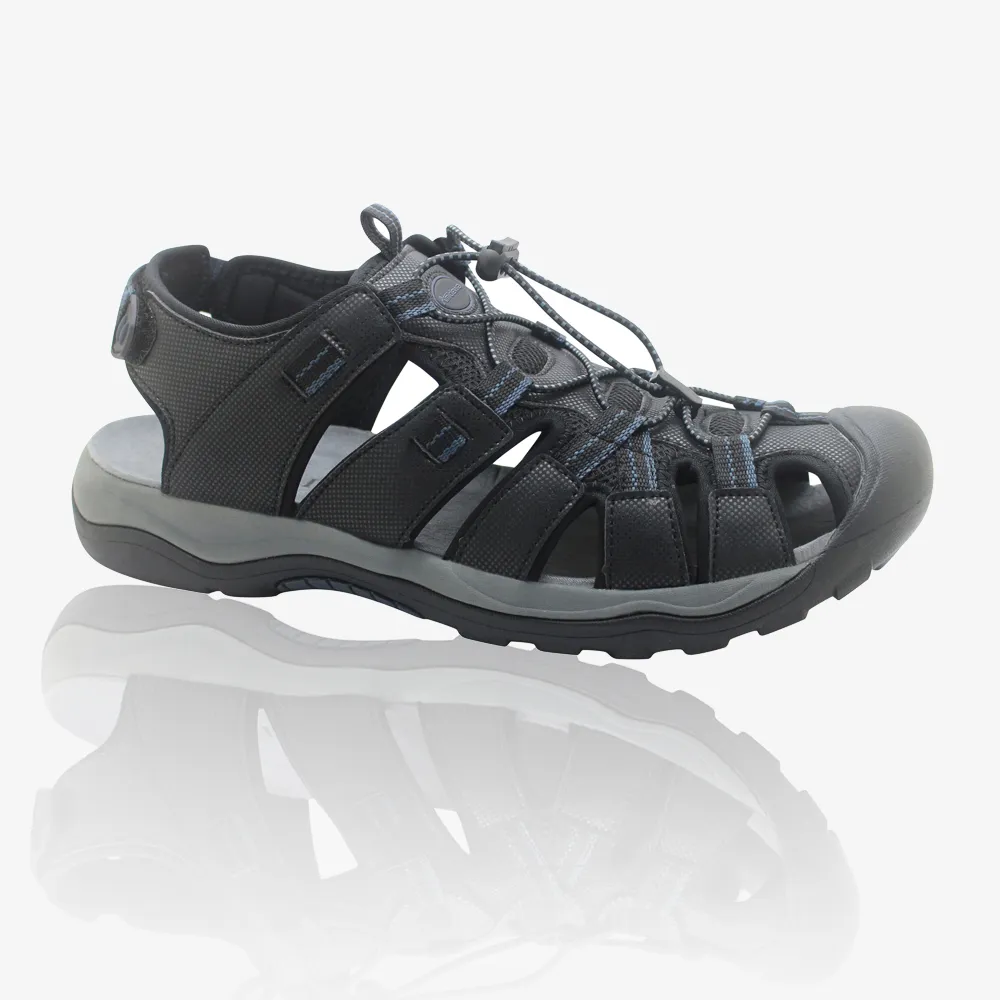
At the core of stain-resistant technology is the precise engineering of surface energy. Traditional textiles and leathers are inherently porous, acting as sponges for liquids and oils. Professional-grade stain resistance utilizes nanotechnology to create a hydrophobic and oleophobic barrier that sits atop the sandal’s fibers. By adjusting the surface tension of the material, designers ensure that foreign contaminants—whether water-based spills or oily residue—are unable to wet the surface or penetrate the material’s structural lattice. Instead of bonding with the fibers, these contaminants bead up on the surface, essentially floating on an invisible cushion. This molecular-level defense is completely transparent to the eye, ensuring that the natural texture and breathability of the sandal straps remain fully intact while providing a high-impact shield against daily hazards.
Viewing footwear as an asset requires an understanding of how chemical degradation affects long-term wearability. Stains are rarely purely aesthetic; many common substances, such as acidic rain, environmental grease, or even perspiration, are chemically aggressive. If allowed to soak into the fibers of a strap, these substances initiate a slow, oxidative breakdown of proteins in leather or synthetic polymers in webbing. This results in premature material brittleness, micro-cracks, and a loss of tensile strength. By preventing these substances from reaching the fibers, surface treatments act as a form of proactive asset management. They essentially halt the chemical aging process, ensuring that the straps retain their original suppleness, color depth, and structural elasticity throughout multiple seasons of heavy use.
The true value of stain-resistant treatment is found in the simplification of the cleaning cycle. Conventional cleaning methods often require aggressive scrubbing, the use of harsh chemical detergents, or even prolonged soaking. All these actions are detrimental to footwear integrity; they strip away natural oils from leather, degrade protective dyes, and weaken the critical adhesive bonds that secure the straps to the sole. With modern protective treatments, the cleaning process is reduced to a simple, "active response" wipe. Because the contaminants never bond to the material, a brief swipe with a damp, lint-free cloth is sufficient to restore the surface. This removal of harsh maintenance cycles not only saves time but also significantly extends the structural lifespan of the footwear, keeping the adhesives intact and the stitching vibrant.
Beyond the ease of maintenance, stain-resistant surfaces contribute directly to the ergonomic performance of the sandal. Untreated footwear tends to hold onto environmental particulate matter, creating a surface that can become abrasive to the skin. By reducing the "stickiness" of the strap surface, protective treatments ensure that dust and grit do not accumulate throughout the day. This keeps the footwear lighter and reduces the potential for micro-abrasions between the skin and the strap, which is often a cause of discomfort during long hours of wear. Furthermore, the ability to maintain a consistent aesthetic appearance without frequent deep cleaning ensures that the footwear remains professional and polished, regardless of how often or in what environment it is deployed.
Achieving this level of molecular-level protection requires a manufacturing partner that views material science as an integral component of the design lifecycle. PEGASUS FOOTWEAR CO. has distinguished itself in the industry by integrating these protective finishes directly into the production sequence, ensuring that every strap sandal offers consistent resistance from the moment it leaves the workshop. By utilizing high-spec, eco-conscious treatment processes that prioritize both performance and material longevity, PEGASUS FOOTWEAR CO. provides a product that reconciles contemporary style with the practical necessity of low-maintenance ownership. For those who demand footwear that resists the wear and tear of daily activity, aligning with a manufacturer that emphasizes both material innovation and ergonomic integrity is the most effective approach. PEGASUS FOOTWEAR CO. continues to advance the global standards for seasonal footwear, providing a durable foundation that stands the test of time, environment, and usage. This commitment to precision engineering ensures that every pair serves as a reliable, clean, and comfortable component of a modern wardrobe, reflecting a dedication to quality that goes far beyond the surface.

Xiamen Pegasus Sandals Limited is a trusted OEM/ODM sandals manufacturer for outdoor hiking sandals, casual sandals & slides. Certified (BSCI/PVH/SLCP), eco-materials, 20+ years serving TOMMY HILFIGER, CK, HUSH PUPPIES. Request quote today.
Unit 406-409, 4/F Peitao Building, Huaxia Industry Center, No.43 Tiyu Road, Siming District, Xiamen, China
Copyright © 2026 by Xiamen Pegasus Sandals Limited Privacy Policy

 EN
EN

