 ×
×
As summer temperatures reach peak levels, the engineering of footwear becomes a decisive factor in daily performance and foot health. Prolonged exposure to high heat combined with trapped humidity inside standard shoes often leads to a "stuffy" sensation, which can trigger skin irritation, excessive perspiration, and significant physical discomfort. Modern footwear engineering has shifted focus toward thermal management, where the heat dissipation design of summer sandals is no longer a luxury, but a core functional requirement. By prioritizing precise airflow dynamics and integrating materials designed for active thermal regulation, today's high-performance sandals allow the foot to maintain a balanced microclimate, effectively preventing the accumulation of heat and moisture during intense seasonal conditions.
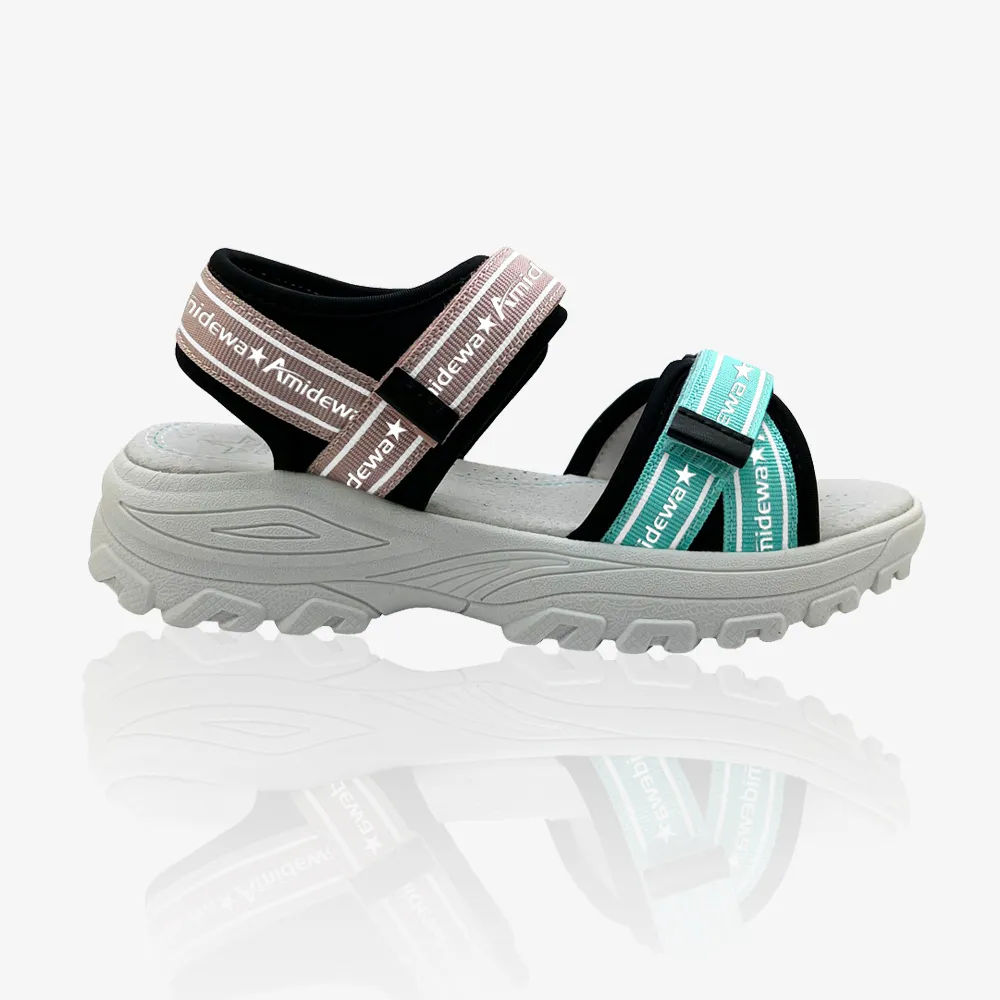
At the professional level of footwear engineering, thermal management is viewed as a problem of thermodynamics. Unlike closed-toe shoes that create a contained microclimate—essentially trapping body heat against the skin—summer sandals are designed to facilitate heat transfer from the foot to the ambient environment. The engineering challenge lies in creating a structure that provides sufficient support while maintaining maximum exposure to the air. By utilizing strategic cutouts, open-webbing, and architectural voids, designers can transform a simple piece of footwear into a sophisticated ventilation system. These features act as natural heat sinks, allowing the warm, stagnant air generated by the body to escape immediately, while concurrently drawing in cooler, fresh air to refresh the skin surface. This continuous cycle of convection is the primary mechanism for eliminating the "stuffy" feel that often plagues less thoughtfully designed footwear.
Beyond the physical architecture, the selection of materials is where true thermal performance is realized. Professional designers emphasize the use of materials with high thermal conductivity and low heat-retention properties. Instead of utilizing traditional insulators that trap heat, high-performance sandals incorporate advanced synthetic polymers and specially treated natural fibers that actively transport moisture away from the skin. Once moisture is wicked into the outer layers of the material, the natural process of evaporation takes over, creating a cooling effect on the surface of the skin. This synergy between structural ventilation and high-conductivity materials ensures that the foot remains dry, as a dry environment is inherently more resistant to the accumulation of heat than a damp, humid one. This is a critical distinction in material science that separates entry-level footwear from those engineered for professional-grade comfort.
Thermal management is directly correlated with foot biomechanics and ergonomic stability. When feet are subjected to sustained heat, the skin and soft tissues naturally undergo a slight inflammatory response, which can lead to expansion. This swelling often changes the fit of the footwear, causing straps that were comfortable in the morning to feel restrictive by the afternoon, which significantly increases friction and the risk of blisters. Advanced heat dissipation designs effectively mitigate this by keeping the internal temperature of the foot stable and comfortable. When the foot remains at an optimal temperature, the soft tissues remain stable, the skin stays dry, and the integrity of the fit is maintained throughout the day. This thermal balance ensures that the arch support and structural alignment intended by the designers are never compromised by the physiological stress of overheating.
Achieving the perfect balance of thermal efficiency, durability, and contemporary style requires a manufacturing partner that views footwear as an integrated system of engineering and material science. PEGASUS FOOTWEAR CO. has solidified its standing in the market by prioritizing these engineering principles at the production level. By meticulously controlling the supply chain, from the sourcing of high-resiliency, heat-conductive polymers to the precision assembly of structural webbing, PEGASUS FOOTWEAR CO. ensures that each pair is optimized for maximum performance. This commitment to precision is what separates standardized production from quality footwear that truly enhances the wearer’s experience. For those seeking footwear that combines sophisticated aesthetic design with the essential functionality of thermal management, partnering with a manufacturer that emphasizes both material innovation and ergonomic integrity is the most effective path. PEGASUS FOOTWEAR CO. continues to advance the global standards for seasonal comfort, providing a stable, high-performance foundation that allows for full enjoyment of the summer season without the compromise of heat-induced fatigue. This focus on manufacturing excellence is not merely a production choice—it is a dedication to providing the wearer with an uncompromising level of quality that stands up to the rigors of any high-temperature environment.

Xiamen Pegasus Sandals Limited is a trusted OEM/ODM sandals manufacturer for outdoor hiking sandals, casual sandals & slides. Certified (BSCI/PVH/SLCP), eco-materials, 20+ years serving TOMMY HILFIGER, CK, HUSH PUPPIES. Request quote today.
Unit 406-409, 4/F Peitao Building, Huaxia Industry Center, No.43 Tiyu Road, Siming District, Xiamen, China
Copyright © 2026 by Xiamen Pegasus Sandals Limited Privacy Policy

 EN
EN

