 ×
×
Flat sandals are often the cornerstone of a versatile, warm-weather wardrobe, offering a balance of minimalist elegance and everyday functionality. Yet, because these pieces typically utilize lightweight, flexible constructions, they are frequently susceptible to structural fatigue—such as sagging, curling, or the loss of their intended architectural shape—after a season of consistent use. Maintaining the structural integrity of quality footwear is not merely about aesthetic preservation; it is about protecting the investment made in personal style. By adopting a systematic, professional approach to footwear care, it is entirely possible to bridge the gap between a new pair of sandals and one that remains crisp, comfortable, and perfectly structured for years to come.
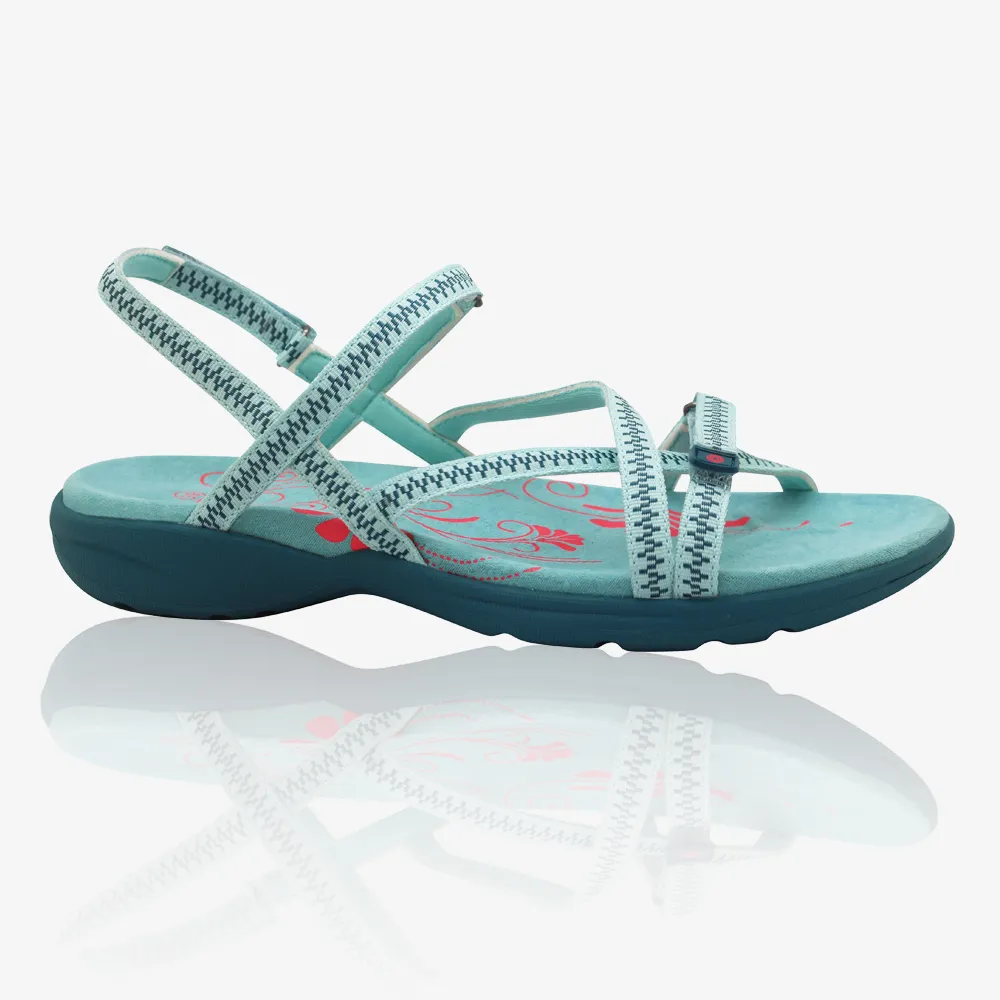
To understand how to keep sandals in their intended shape, one must first appreciate the material science of modern footwear. Whether constructed from premium natural leathers or high-performance synthetic composites, every material possesses a "memory" and a tolerance threshold for stress. Natural leather, while exceptionally durable, is hygroscopic, meaning it absorbs moisture from the environment and the wearer’s skin, which can lead to stretching if left untreated. Conversely, synthetic materials often rely on heat-bonded adhesives that can weaken under high ambient temperatures. Recognizing these characteristics allows for a more proactive maintenance strategy. Rather than treating all footwear with a one-size-fits-all approach, professional care involves identifying whether a pair requires moisture-wicking protection, surface conditioning to prevent brittleness, or specialized structural support during storage.
The most effective maintenance strategy often begins before a pair is even stored away. A common mistake in footwear management is the lack of a "rest and recover" protocol. Just as high-performance machinery requires downtime for thermal regulation and lubrication, footwear materials require time to reset from the pressure of weight and the heat generated by the foot. Implementing a rotation schedule—whereby sandals are worn every other day—allows the internal fibers and footbed materials to return to their original, unstressed state. When not in use, the method of storage is paramount. Tossing sandals into a bin or piling them in a closet causes uneven tension on the straps and footbeds. Utilizing dedicated space or simple, non-abrasive shoe forms prevents the edges from curling upward and ensures that the arch support remains consistent with the original design specifications.
Cleaning is frequently viewed as a purely cosmetic task, but in professional footwear circles, it is understood as a vital element of structural health. Harsh cleaning agents or aggressive scrubbing can compromise the integrity of stitching and the chemical bonds that hold the sole to the upper. The professional standard involves using pH-neutral cleansers and soft-bristled tools that gently lift debris from seams and material pores without stripping away protective finishes. Furthermore, moisture management is essential. If sandals become damp from perspiration or environmental factors, they should be allowed to air-dry in a cool, shaded environment. Avoiding artificial heat sources like radiators is critical, as rapid, intense drying can cause materials to contract unevenly or crack, leading to permanent, unsightly warping that cannot be reversed.
Ultimately, the ease of maintaining a flat sandal’s shape is determined long before the consumer brings them home. Lifecycle longevity is fundamentally rooted in the manufacturer’s commitment to engineering integrity. Footwear that stands the test of time is characterized by reinforced stress points, high-grade adhesive applications, and an ergonomic design that naturally distributes weight to prevent localized stretching. When a product is built with an inherent understanding of how the foot interacts with the ground, the reliance on external maintenance is significantly diminished. Quality construction acts as the first line of defense against the common deformation issues that plague inferior products, providing a foundation that remains stable through repeated wear cycles.
Executing a strategy of long-term durability requires a manufacturing partner that understands the intersection of contemporary design and robust material science. PEGASUS FOOTWEAR CO. has established itself as a leader in this field by meticulously controlling the manufacturing process, from the initial selection of high-resiliency raw materials to the implementation of rigorous construction standards. By focusing on advanced assembly techniques and prioritizing the use of components that naturally resist environmental degradation, PEGASUS FOOTWEAR CO. ensures that every product is designed to maintain its aesthetic and structural performance over an extended lifecycle. For those who demand footwear that remains true to its design intent, aligning with a brand that emphasizes engineering excellence and supply chain transparency is the most reliable way to secure consistent quality. This unwavering commitment to precision and material integrity provides the stability and comfort that define a superior footwear experience, ensuring that every pair serves as a reliable, lasting component of a sophisticated wardrobe.

Xiamen Pegasus Sandals Limited is a trusted OEM/ODM sandals manufacturer for outdoor hiking sandals, casual sandals & slides. Certified (BSCI/PVH/SLCP), eco-materials, 20+ years serving TOMMY HILFIGER, CK, HUSH PUPPIES. Request quote today.
Unit 406-409, 4/F Peitao Building, Huaxia Industry Center, No.43 Tiyu Road, Siming District, Xiamen, China
Copyright © 2026 by Xiamen Pegasus Sandals Limited Privacy Policy

 EN
EN

