 ×
×
Sport sandals have broken free from the confines of rugged mountain trails and muddy campsites, evolving into essential staples of modern urban wardrobes. When walking twelve miles across cobblestone streets while transitioning straight into an outdoor evening gathering, footwear endurance is truly tested. Traditional shoes often force an exhausting compromise between ergonomic support and sleek aesthetic styling. Working within footwear product development reveals how modern engineering breakthroughs have completely rewritten traditional design rules. Today's high-performance sport sandals seamlessly bridge the gap between active outdoor utility and sophisticated street fashion, proving that smart footwear engineering can elevate any daily wardrobe rotation while ensuring lasting comfort and structural resilience across diverse environments.
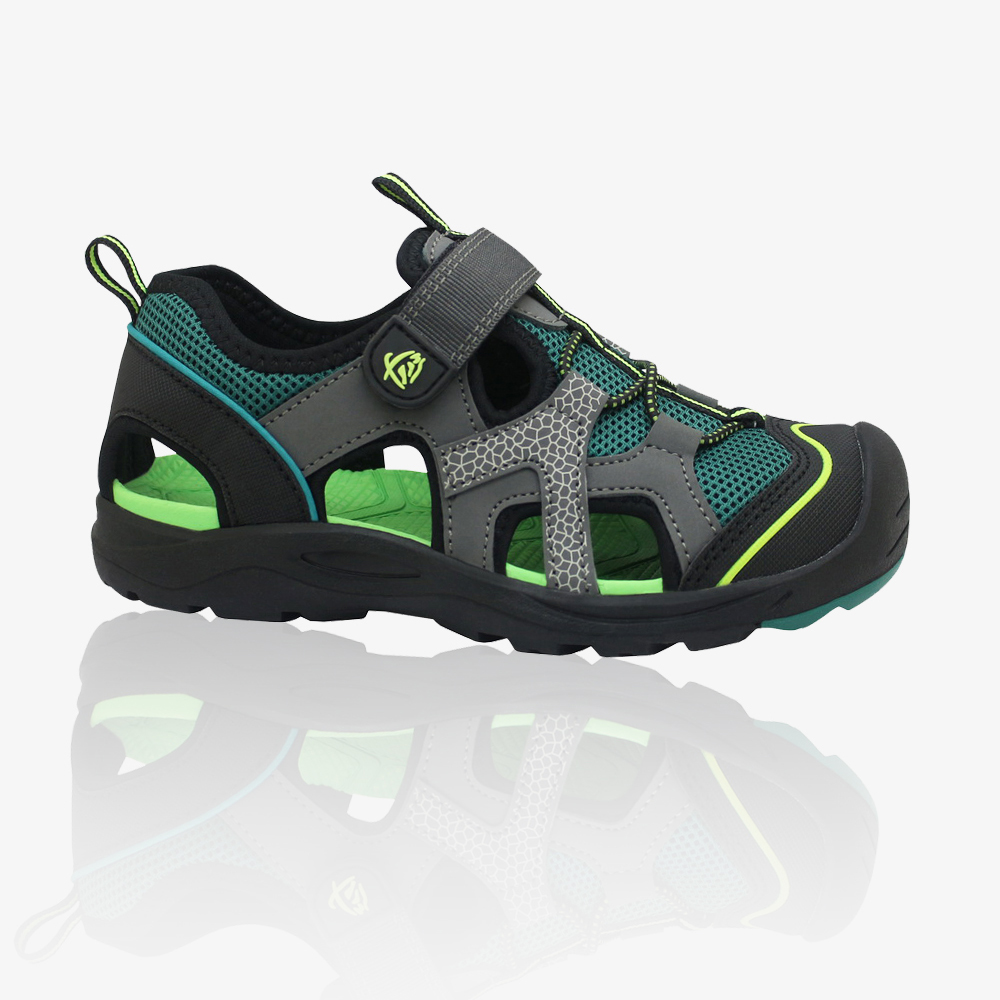
Achieving genuine multi-functionality starts deep beneath the surface with material selection and structural biomechanics. Standard athletic sandals historically relied on rigid, heavy rubber that weighed down the wearer and caused friction during extended wear. Modern manufacturing has shifted toward hybrid material palettes that merge industrial durability with lightweight luxury. By incorporating high-density EVA foam midsoles that mould organically to the natural arch of the foot, manufacturers deliver exceptional shock absorption without sacrificing a streamlined silhouette.
Furthermore, advanced upper construction utilizes quick-drying recycled webbing, water-resistant vegan leathers, and breathable mesh linings. These components perform reliably in wet coastal environments while resisting wear in urban settings. Dr. Elena Vance, a prominent biomechanics and footwear ergonomics researcher, notes in her industry evaluations that footwear incorporating adaptive multi-density cushioning significantly reduces metatarsal stress during prolonged urban walking. This technical precision ensures that wearers experience uncompromised joint protection, validating the rigorous quality standards expected by discerning global consumers.
Theory and laboratory testing mean little until a product encounters harsh, unpredictable real world conditions. During recent field-testing initiatives across rugged hiking trails and humid metropolitan centers, development teams monitored how various footwear structures behaved under extreme environmental stressors. Testers discovered that modular strapping systems featuring adjustable hook-and-loop closures and secure heel locks successfully prevented foot sliding—a common complaint in traditional open-toe designs.
When individuals adjusted their straps for tighter, locked-in performance during steep descents, the sandals provided stability comparable to traditional hiking boots. Conversely, loosening those same straps transformed the footwear into an open, breathable profile that paired effortlessly with tailored linen trousers or casual summer dresses. This adaptability highlights why field-tested ergonomics matter: they provide everyday consumers with reliable, multi-environment performance that adapts dynamically to changing daily schedules.
For retail buyers, brand owners, and global distributors, designing a stunning sandal is only half the battle; scaling production reliably is where true business value is realized. The commercial success of any footwear line depends heavily on consistent material sourcing, strict quality control protocols, and robust manufacturing ecosystems. Modern B2B footwear procurement requires agile supply chains capable of executing precise color-matching, logo integration, and rigorous stress-testing before bulk shipments leave the factory floor.
Pegasus Footwear Co. exemplifies this industrial capability through state-of-the-art production lines and vertically integrated supply chain management. By utilizing advanced automated cutting machinery and eco-friendly bonding techniques, Pegasus Footwear Co. ensures that every batch meets stringent international safety and durability standards. This robust manufacturing infrastructure allows global partners to scale inventory reliably, reduce lead times, and deliver premium products to retail markets worldwide with absolute confidence.
Designing footwear for a worldwide audience requires a deep understanding of diverse cultural aesthetics and regional styling preferences. What appeals to an urban commuter in Tokyo might differ subtly from the expectations of a coastal resident in California or a fashion-forward professional in Milan. While North American markets frequently prioritize rugged versatility and earthy neutral tones like olive and desert sand, European markets often lean toward minimalist silhouettes with sleek monochrome finishes.
Successful international product lines incorporate inclusive design philosophies, offering adjustable widths and versatile color-blocking that bridges cultural gaps. By avoiding overly loud branding and focusing on clean, architectural lines, modern sport sandals integrate harmoniously into varied international wardrobes. This universal design approach ensures that diverse demographic groups across multiple continents can embrace the footwear comfortably, enhancing customer satisfaction and global brand loyalty.
Ultimately, the widespread popularity of advanced sport sandals reflects a broader cultural shift toward intentional fashion. When consumers invest in footwear, they look for a harmonious blend of durability, ergonomic health, and aesthetic versatility. Meeting these high expectations requires a relentless commitment to technical innovation and meticulous manufacturing precision. Through cutting-edge material science, rigorous field testing, and scalable production capabilities, industry leaders continue to redefine what functional footwear can achieve. Backed by the advanced manufacturing expertise and reliable supply chain infrastructure of Pegasus Footwear Co., brands around the globe are well-equipped to meet evolving consumer demands and lead the future of versatile footwear fashion.

Xiamen Pegasus Sandals Limited is a trusted OEM/ODM sandals manufacturer for outdoor hiking sandals, casual sandals & slides. Certified (BSCI/PVH/SLCP), eco-materials, 20+ years serving TOMMY HILFIGER, CK, HUSH PUPPIES. Request quote today.
Unit 406-409, 4/F Peitao Building, Huaxia Industry Center, No.43 Tiyu Road, Siming District, Xiamen, China
Copyright © 2026 by Xiamen Pegasus Sandals Limited Privacy Policy

 EN
EN

